

sixth base of mind : ค้นหาหนังสือธรรมะ หน้า 74 / 88
หน้าหนังสือทั้งหมด
66
คำศัพท์และแนวคิดเกี่ยวกับพระพุทธศาสนา
อินทรีย์ sense-faculties
อุคคหนิมิตต์ mental image; learning sign
อุคมุติปัญญน The highly intelligent -- a person with quick intuition
อุทิวงจากทุกจจะ
เนื้อหาเกี่ยวกับคำศัพท์ในพระพุทธศาสนาที่สำคัญซึ่งรวมถึงความเข้าใจเรื่องจิตใจ การฝึกสมาธิ การบรรลุธรรม โดยพิจารณาถึงความคิดเช่น อุเบกขา (Equanimity) ที่แสดงถึงความมีสติและความมั่นคงในสภาพจิตใจ นอกจากนี
69
Popular Dhamma Topics
Popular Dhamma Topics
INDEX
1. Buddhism
2. The Buddha’s Life
3. The Teachings of the Buddha
- The Four Noble Truths (Noble Truths of Suffering)
- The Noble Eightfold Path (the Path to end suffe
This page provides an index of popular Dhamma topics within Buddhism. It covers key concepts such as the Buddha's life, core teachings like the Four Noble Truths and the Noble Eightfold Path, and esse
75
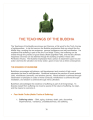
The Early Years of the Buddha
www.dharmmakaya.or.th
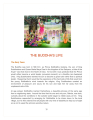
THE BUDDHA'S LIFE
The Early Years
The Buddha was born in 566 B.C. as Prince Siddhattha Gotama, the son of King Suddhodana and Queen Maha Maya Dewi in the kingdom of the Sakyans,
The Buddha, born as Prince Siddhattha Gotama in 566 B.C., was the son of King Suddhodana and Queen Maha Maya in the Sakyans kingdom of North India. Predicted to become either a world leader or a Buddh
76
The Journey of Siddhartha: From Suffering to Enlightenment
The arrangement miscarried, however, for on the first three visits that Siddhatha made to the village he saw things that had a deeply traumatic effect on his over-protected consciousness. He was initi
This text traces the transformative journey of Prince Siddhartha in his quest for understanding suffering and achieving enlightenment. Over the course of several visits to the village, he encounters t
78
The Teachings of the Buddha
The Teachings of the Buddha
The Teachings of the Buddha are known as Dhamma, a Pali word for the Truth, the law of righteousness. In his first sermon the Buddha emphasized that one should live the Mi
The Teachings of the Buddha, known as Dhamma, emphasize the Middle Way, avoiding extremes of indulgence and self-mortification. Central to Buddha's teachings are the Four Noble Truths, which acknowled
79
Understanding Suffering and the Noble Eightfold Path
2. Origin of suffering - Suffering arises from attachment to desire, craving
(tanha). People themselves create this suffering by trying to cling on to
worldly pleasures.
3. Cessation of suffering - Su
This text discusses the origin of suffering, which stems from attachment to desire and worldly pleasures. It highlights that suffering ceases when such attachments are released. The Noble Eightfold Pa
83
Say No to Alcohol
Say No to Alcohol
The negative long-term effects of alcohol consumption are difficult to control and overcome. Not only is your own welfare at risk, but also the welfare of those around you, especial
The long-term effects of alcohol are detrimental not only to the individual but also to their family. Alcohol leads to destruction of wealth, health issues, aggressive behavior, loss of friendships, a
98
The Impact of Good Deeds and Dhamma Practices
Rejoicing in the merit of others. Give appreciation and encouragement to those who perform good deeds. This act of appreciation and encouragement attracts support and help, instead of obstacles, from
การทำดีและการให้บุญแก่ผู้อื่นเป็นเรื่องสำคัญที่ช่วยเสริมสร้างการสนับสนุนจากผู้อื่น การสอนธรรมะเป็นรากฐานสำหรับหลักจริยธรรมและปัญญาทางจิตวิญญาณ ซึ่งเปิดทางให้เรารู้ถึงกฎแห่งกรรม การเกิดใหม่ และความจริง
100
The Importance of Spiritual Wealth and Charitable Giving
No matter how many material possessions we may have accumulated, none of them can be taken with us upon our departure from this world. All of them will be left behind. The only possession we can take
No matter how many material possessions we have accumulated, we can only take our spiritual wealth with us. This wealth is built through merits which last through many lifetimes. In this brief discuss
102
The Importance of Pure Giving
- The giver is pure -- The more pure the giver the more merit he will receive in his giving. It is wise for the giver to practice at least the Five Precepts to achieve purity. Purify your mind to gain
The act of giving is enhanced by the purity of the giver. By adhering to the Five Precepts, one can achieve greater merit through donations. In today's world, balancing financial stability with the de
2
Exploring Tusitaburi in the Dhammapada
"Tusitubori" is appeared only in 2 cases from 302 cases of Dhammapada. I believe the term "Tusitaburi" which means the 4th level of six deva-worlds of the Kāmadhātu is quite well known to those who ar
This text discusses the term 'Tusitaburi' found in the Dhammapada, reflecting on its role within the context of merit and rebirth. It highlights that, despite the presence of many Arahants during the
30
The Value of a Meaningful Word
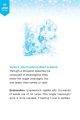
Verse 3. One Pacifying Word Is Noble
Through a thousand speeches be
composed of meaningless lines,
better the single meaningful line
one hears, then comes to calm.
Explanation: Expressions replete wi
Verse 3 emphasizes the superiority of a single meaningful word over countless empty speeches. It suggests that true value lies in communication that calms the mind rather than in verbosity. This notio
21
วัตถุประสงค์ของเรา คือ "ทำใจให้หยุดนิ่ง" จะหยุดนิ่งได้ต้อง "ทิ้งทุกอย่าง ลงทุกสิ่งนิ่งอย่างเดียว"
The goal is to "make your mind still."
In order to become still, you must "Drop everything, put it
22
การใช้ชีวิตอย่างมีคุณค่า
เช้า, ยิ่ง, ขึ้น, ขึ้น, 1
You have limited time in this world.
Therefore, keep only good things
in your mind: good thoughts, good
speech and good actions. You have
little time to live and soon will b
เรามีเวลาในโลกนี้จำกัด ดังนั้นควรเก็บรักษาสิ่งดีๆ ไว้ในใจ ได้แก่ ความคิดที่ดี คำพูดที่ดี และการกระทำที่ดี เมื่อเรามีความคิด คำพูด และการกระทำที่ดี สิ่งดีๆ ก็จะขยายออกไปสู่โลกใบนี้ dmc.tv
55
ການເຫັນແລະຄວາมສົກສານໃນຊີວິດ
ໃໝ່, ເຂົ້າຮ້ອນ ນ້ອຍກ່ອນ
"“Whatever appears to you, whatever you see, just keep looking continuously”:
as if you are driving to Chiang Mai;
you see views on both sides of the street and feel just th
ເຄື່ອງຄິດເກີ່ຍກັບລູກຝັກ, ແທັ່ນຢ່າງຄຳອະຄິລສູນຊິລຸທິ່ໄປໆຫະລາໄດ່ຈັດອິບັນໄຜສູນສິ່ງ
72
พระธรรมยาตากับการค้นพบความสุขในพระพุทธศาสนา
พระธรรมยาตาท่านหนึ่ง มิจิดตรษา ท่านอยู่แนวตะเข็บชายแดนไทยพม่า เดินข้ามภูเขามาหลายลูกเพื่อบวชเป็นพระภิกษุในพระพุทธศาสนา ท่านมีศรัทธา พอจวนแล้วก็ได้ตั้งใจฝนอธิบายตนเอง วันนี้นั่งนิ่งๆ ท่านมองเห็นดวงธรรม
พระธรรมยาตาท่านหนึ่งได้เดินข้ามภูเขามาเพื่อบวชเป็นพระภิกษุในพระพุทธศาสนา ท่านมีศรัทธาและความตั้งใจที่จะฝึกฝนตนเอง หลังจากที่นั่งนิ่งและทำสมาธิ ท่านเห็นดวงธรรมและองค์พระ ทำให้ท่านรู้สึกสงบและมีความสุข
90
พลังจิตใจผ่านการนั่งสมาธิ
พลัง จิตใจ จิตใจ ๑
นั่งสมาธิเป็นความรู้สึกดี ๆ เกิดขึ้น แม้หลับตาแล้วเห็นหรือไม่เห็นอะไร แค่มีความรู้สึกดี ๆ ก็ถือว่าเป็นจุดเริ่มต้นที่ดี เชื่อความรู้สึกดี ๆ ก็จะนำไปให้ละเอียดขึ้น ขึ้นไปเอง
Feel go
การนั่งสมาธิทำให้เกิดความรู้สึกดี แม้เราจะหลับตาและไม่เห็นอะไรแต่อารมณ์ดีที่เกิดขึ้นคือจุดเริ่มต้นที่ดี สำหรับการพัฒนาจิตใจต่อไป ความรู้สึกดีจะช่วยทำให้จิตใจละเอียดขึ้นและมีความสงบมากขึ้น การนั่งสมาธิ
105
การทำสมาธิและการค้นพบธรรมะ
ข้อความที่ปรากฏในภาพคือ:
คำพูดว่า “อย่าจำกัดตนเอง”
หมายถึงให้แน่นกับเรื่องของอารมณ์
ถ้ายารมณ์ลื่นไหลๆ อย่างต่อเนื่อง
เดี๋ยวภาพภายใน วงธรรม ธรรมะจะมาฝากให้เห็นเอง นามด้วยใจสบาย ใจเย็น ๆ
ฉันถึงจุดเริ่
การทำสมาธิช่วยให้เราสามารถเข้าใจและเห็นภาพธรรมะผ่านความสงบในใจ เมื่อเรามีอารมณ์ที่ดีและรู้สึกสบาย ภาพของธรรมะและพระพุทธรูปจะปรากฏในจิตใจเราที่เบาสบาย คำแนะนำคือให้มีความสงบและไม่ต้องพยายามมองหาอะไร กา

1
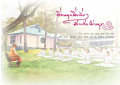
The more you stop and are still, the more deeply your mind can go within yourself.
5
Sougyumsu
the art Nipun 2
The more you stop and are still, the more deeply your mind can go within. nonstop.